We use cookies to help provide you with the best possible online experience.
By using this site, you agree that we may store and access cookies on your device. Cookie policy.
Cookie settings.
Functional Cookies
Functional Cookies are enabled by default at all times so that we can save your preferences for cookie settings and ensure site works and delivers best experience.
3rd Party Cookies
This website uses Google Analytics to collect anonymous information such as the number of visitors to the site, and the most popular pages.
Keeping this cookie enabled helps us to improve our website.
The Orchard Practice
Latest Practice News
All the latest news and information from the surgery and our patient community
 Bank Holiday Pharmacy Opening times
Bank Holidays can affect the opening hours of local pharmacies. Read more...
27/04/2026
Bank Holiday Pharmacy Opening times
Bank Holidays can affect the opening hours of local pharmacies. Read more...
27/04/2026
 EMIS SYSTEM DOWN
Our EMIS system (patient records) is currently down.
23/03/2026
EMIS SYSTEM DOWN
Our EMIS system (patient records) is currently down.
23/03/2026
 Winter Newsletter 2026
The latest updates from the Orchard Practice. Read more...
29/01/2026
Winter Newsletter 2026
The latest updates from the Orchard Practice. Read more...
29/01/2026
 Patient Rights
You and Your General Practice
28/10/2025
Patient Rights
You and Your General Practice
28/10/2025
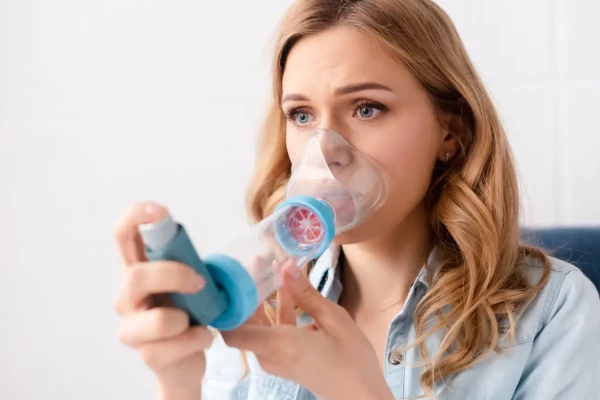 Used Inhalers
Return your used inhalers to a pharmacy to help reduce your carbon footprint. Read more...
26/06/2025
Used Inhalers
Return your used inhalers to a pharmacy to help reduce your carbon footprint. Read more...
26/06/2025
 Information about Mounjaro injections
Read more...
23/06/2025
Information about Mounjaro injections
Read more...
23/06/2025
 New Dication software Heidi
Heidi is a tool that allows your clinician to focus entirely on you during your visit while still allowing them to capture information. Read more...
27/02/2025
New Dication software Heidi
Heidi is a tool that allows your clinician to focus entirely on you during your visit while still allowing them to capture information. Read more...
27/02/2025